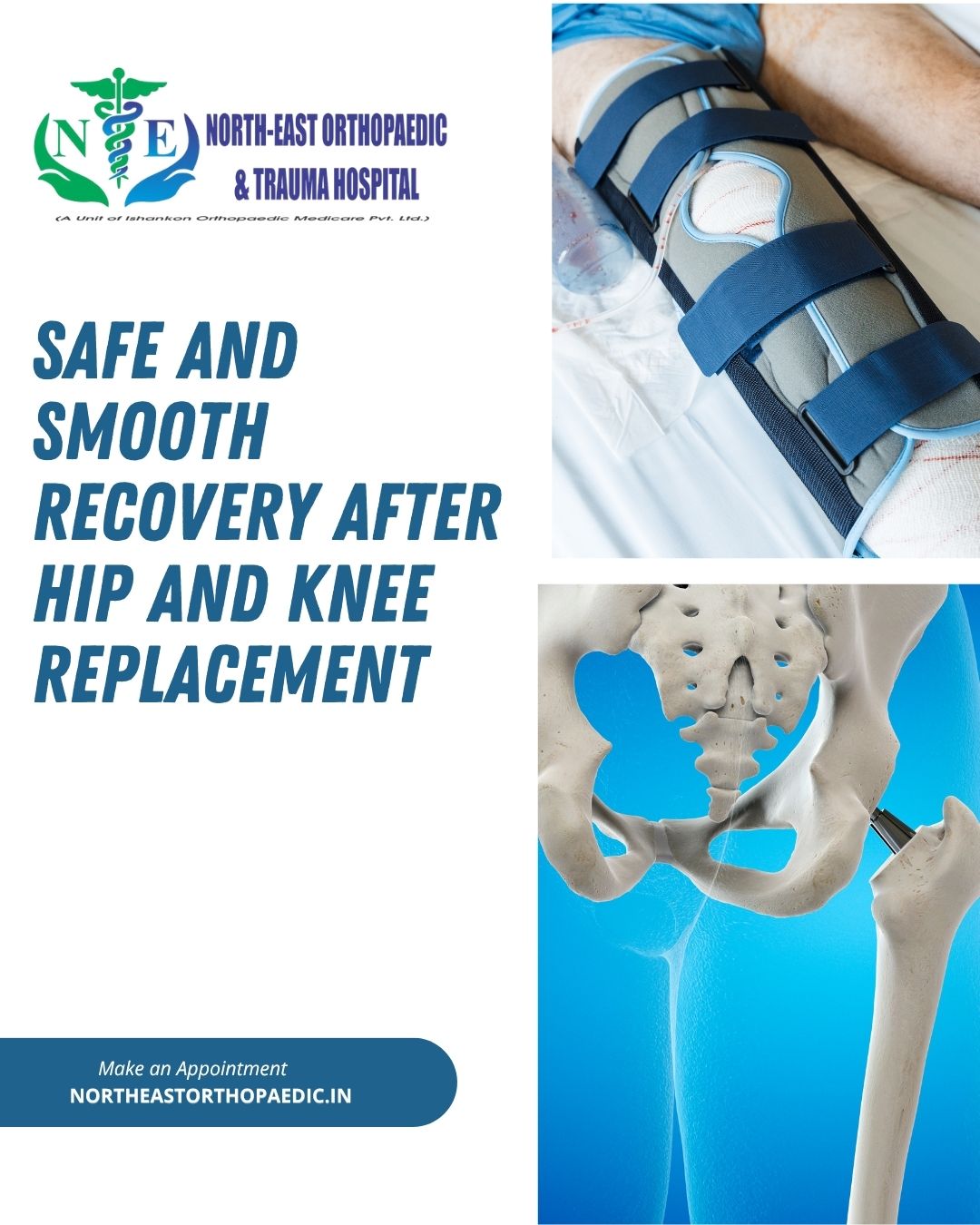
Hip and knee replacement surgery can give a new life to people who suffer from long-term joint pain. After surgery, many patients feel relief from pain and can move better. But recovery is very important to get the best results. With the right care and simple steps, you can heal safely and smoothly.
What to Expect After Surgery?
After hip or knee replacement, you may stay in the hospital for a few days. Doctors and nurses will check your health and help you start moving slowly. In the beginning, you may feel pain, swelling, or stiffness. This is normal and will reduce with time.
You will be advised to start walking with support, like a walker or stick. Early movement helps improve blood flow and prevents problems like blood clots.
Follow Your Doctor’s Advice
Your doctor will give you instructions about medicines, exercise, and daily care. It is very important to follow these instructions carefully. Take your medicines on time to manage pain and prevent infection.
Never stop or change medicines without asking your doctor. Regular checkups are also important to track your healing progress.
Start Physical Therapy
Physical therapy plays a big role in recovery. A trained therapist will guide you with simple exercises to improve strength and flexibility.
At first, exercises may feel difficult, but regular practice will make your joints stronger. These exercises help you walk better, reduce stiffness, and return to normal life faster.
Keep the Wound Clean
Taking care of the surgery wound is very important. Keep the area clean and dry to avoid infection. Follow your doctor’s advice on how to clean and cover the wound.
Watch for signs like redness, swelling, or unusual pain around the wound. If you notice anything unusual, contact your doctor immediately.
Eat Healthy Food
A healthy diet helps your body heal faster. Eat foods rich in protein, vitamins, and minerals. Include fruits, vegetables, milk, eggs, and nuts in your diet.
Drink enough water to stay hydrated. Avoid junk food and oily items, as they can slow down recovery.
Manage Pain and Swelling
Some pain and swelling are common after surgery. You can manage it by taking medicines as prescribed. Applying ice packs can also help reduce swelling.
Keep your leg slightly raised while resting. This improves blood flow and reduces swelling. But do not sit or lie in one position for too long.
Stay Active but Careful
Movement is important, but you should not overdo it. Avoid heavy lifting, sudden movements, or bending too much in the early days.
Walk daily as advised by your doctor. Slowly increase your activity level. Using support like a walker can help prevent falls and injuries.
Make Your Home Safe
Before returning home, make some small changes to avoid accidents. Keep your home clean and remove things that can cause slipping.
Use a chair with arm support, and avoid low seating. Install handrails in bathrooms if possible. Wear comfortable shoes with a good grip.
Get Enough Rest
Rest is just as important as activity. Your body needs time to heal. Take proper sleep and short breaks during the day.
Do not feel stressed if recovery feels slow. Everyone heals at a different speed. Stay positive and give your body the time it needs.
Avoid Common Mistakes
Many people make small mistakes that can slow recovery. Avoid skipping exercises or missing medicines. Do not try to walk without support too early.
Also, avoid sitting cross-legged or bending too much, especially after hip replacement. These actions can affect the new joint.
Emotional Support Matters
Recovery is not only physical but also emotional. Some patients feel low or worried after surgery. Talk to your family and friends for support.
Stay positive and focus on small improvements every day. A good mindset can make recovery faster and easier.
When to Call the Doctor
Contact your doctor if you notice severe pain, high fever, swelling that does not reduce, or any signs of infection. Early treatment can prevent serious problems.
Recovery after hip and knee replacement needs patience, care, and proper guidance. By following simple steps like taking medicines, doing exercises, eating healthy food, and staying active, you can heal safely.
A smooth recovery helps you return to your normal life with less pain and better movement. Stay positive, follow your doctor’s advice, and take one step at a time towards a healthy and active life.